Kalshi Targets Small Businesses with Microinsurance Amid Legal Struggles
Kalshi, a prediction market platform, is courting small businesses by offering a form of microinsurance to hedge against various risks, including tariffs and extreme weather. As the company faces legal challenges in multiple states regarding its sports contracts, it aims to diversify its offerings beyond retail betting.
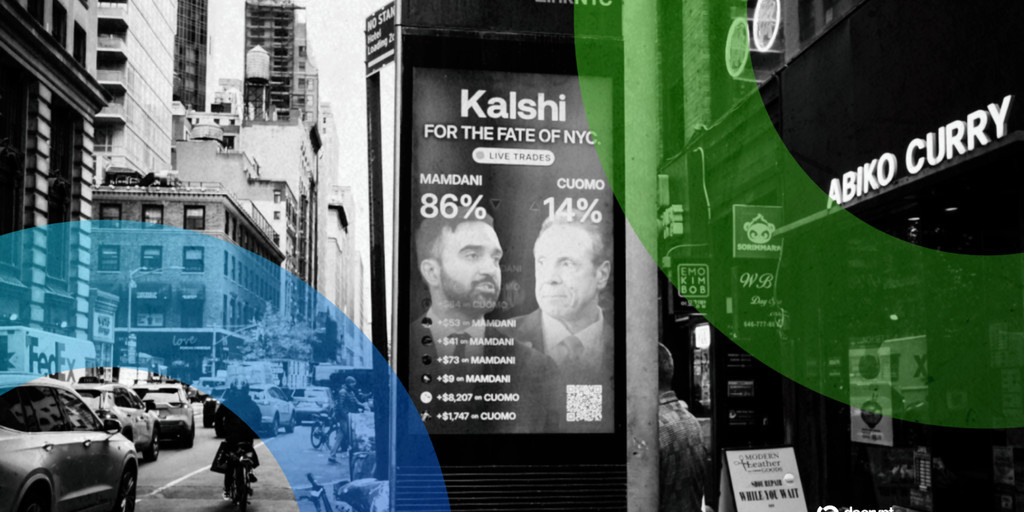
Kalshi, the prediction market platform, is making a push to attract small businesses by marketing its services as a form of microinsurance. This comes at a time when the company is embroiled in legal battles with several states over its sports betting contracts. According to Nicolas Hull, Kalshi's director of business development, around 500 businesses have utilized its platform to hedge against risks such as commodity price fluctuations, extreme weather, and power outages. Hull described this offering as "almost a form of microinsurance," although he noted that most of the small businesses he has spoken to had never engaged in hedging before.
One notable case involves a New York rice brand that is set to pay approximately $9,000 for contracts that would yield up to $60,000 if new tariffs on Indian rice imports are implemented. This innovative approach has also attracted the attention of event organizers; for instance, NEXTPredict, which hosts a prediction markets conference, paid a $12,000 premium for Kalshi contracts. These contracts would have returned about $3 million if more than half of the scheduled arrivals at New York's JFK airport were canceled the day before the event. Fortunately for them, the conference proceeded as planned, and the contracts did not pay out.
Kalshi's attempts to branch out from retail betting are not new. The company has also partnered with Game Point Capital to enter the sports insurance market. However, the business sector remains relatively small, and Kalshi is reportedly offering cash incentives to traders to ensure there is enough liquidity for businesses to participate. Insurance broker Lockton has indicated that there has not been significant uptake of these offerings yet. Additionally, Kalshi has declined requests to hedge wildfire risks, citing concerns that such markets could create "perverse incentives" for traders.
Despite these efforts, sports betting continues to dominate Kalshi's trading landscape. A Congressional Research Service report indicates that about 87% of the $39.7 billion traded on its platform from February 2025 was related to sports. In fact, Kentucky has alleged that sports betting constituted 89% of its trading volume in 2025.
Kalshi Faces Legal Hurdles Amid Expansion Plans
Kalshi's diversification strategy comes as it faces escalating legal challenges. Recently, the platform paused operations in Utah after failing to convince a federal appeals court to stop the state's enforcement actions. This move affected more than 177,000 users, according to spokesperson Jacki McGavick. Following this, Utah Attorney General Derek Brown's office moved to dismiss 14 criminal charges filed against Kalshi and its co-founders, Tarek Mansour and Luana Lopes Lara, after the company agreed to block users from the state. However, the dismissal is without prejudice, meaning the charges could be refiled.
Regulatory Challenges Loom Over Kalshi's Future Operations
As Kalshi navigates these turbulent waters, it has ceased taking bets from Utah residents, as state law categorizes betting on sports and other events as gambling, which includes prediction markets. The Attorney General's office has made it clear that if Kalshi returns to Utah, so will the charges. Meanwhile, Arkansas has also sued the company, and New York's attorney general is pursuing $3.6 billion in claims against it. A New York judge recently denied the state's request for a temporary restraining order that could have led to Kalshi's shutdown nationwide, while urging the platform to limit betting by users under 21 years old.
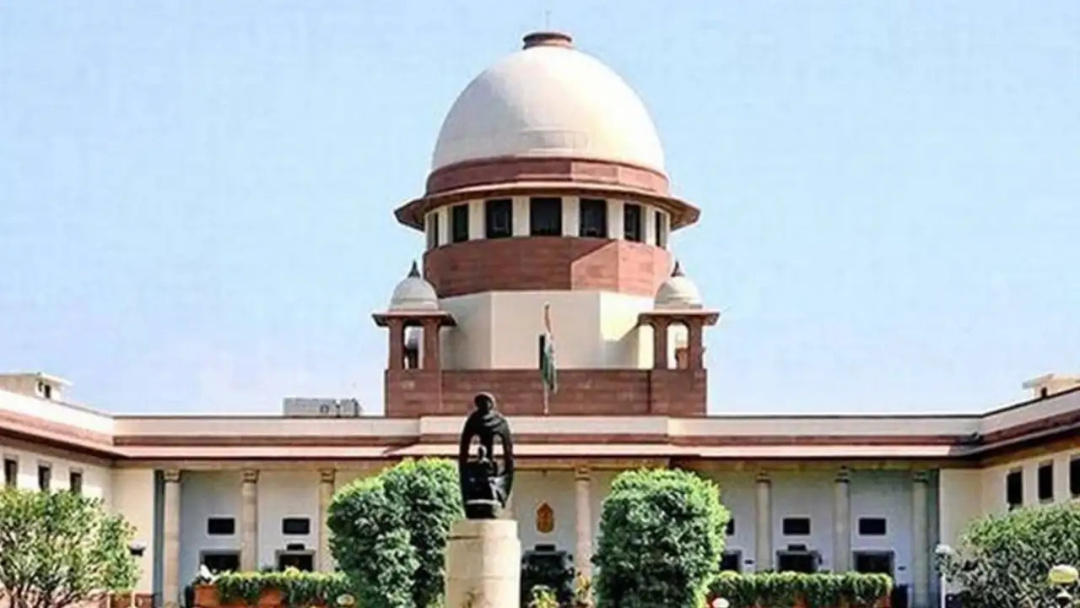
The Commodity Futures Trading Commission (CFTC) has invoked emergency powers to keep Kalshi operating in Utah, and the platform anticipates that the question of who regulates prediction markets will eventually reach the Supreme Court. Currently, three federal appeals courts have ruled that states can regulate these platforms, while one has concluded they cannot. In the meantime, the CFTC has introduced new regulations aimed at distinguishing prediction markets from traditional gambling, and the Senate has passed legislation prohibiting bets on war, terrorism, and death.