New York City Council Targets Prediction Markets Amid Young Losses
A recent report revealed that young users in New York lost a significant amount on prediction markets, prompting City Council Speaker Julie Menin to propose regulations. Critics argue that the focus on young traders ignores the advantages institutional users have, including experience and resources. This ongoing debate raises questions about the future of prediction markets and their regulation.
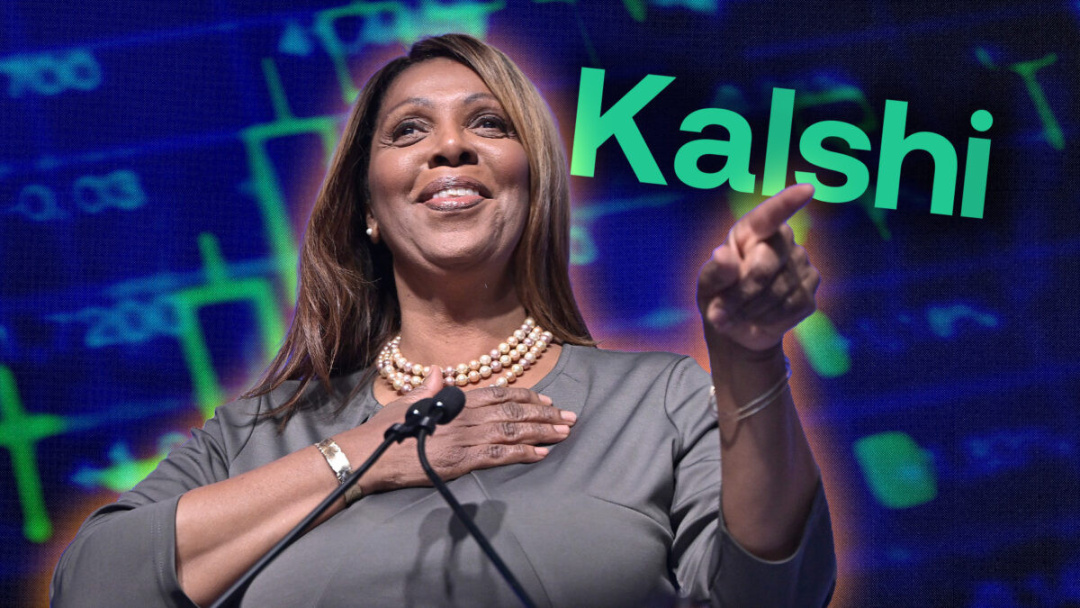
A New York City Council report released recently found that users aged 18 to 20 accounted for approximately 17 percent of the $52.5 million lost by the city's users on prediction markets from January to November. In stark contrast, institutional users—such as brokers and hedge funds—reaped over $340 million in gains during the same period. This disparity has raised eyebrows among council members, particularly Speaker Julie Menin, who accused platforms like Kalshi and Polymarket of targeting young people with deceptive marketing practices that are evidently effective. Menin stated that the City Council intends to hold a hearing to consider pioneering regulations for prediction markets, expecting executives from these platforms to testify.
Menin's concerns overlook a crucial point: institutional users are often seasoned traders with a wealth of experience in derivatives markets, unlike the average under-21 New Yorker. A study from the University of San Diego in May highlighted that these institutional players benefit from a timing advantage, often utilizing automated trading bots. Retail traders, on the other hand, typically enter contract markets after prices have already adjusted, which diminishes their potential value.
The scrutiny of prediction markets extends beyond the City Council. Recently, New York County Supreme Court Justice Melissa Crane denied Attorney General Letitia James' request for a temporary restraining order against Kalshi, which would have effectively shut down its operations in the state. During the hearing, Assistant Attorney General Brent Tomer argued that allowing Kalshi to operate without a license would deprive New York of significant gambling tax revenue, which could amount to over 50 percent of Kalshi's earnings. However, Justice Crane opted to wait for a forthcoming U.S. Supreme Court decision that could clarify the regulatory landscape for prediction markets, indicating that she found merit in the state's concerns regarding young adults using these platforms.
In a notable twist, Crane requested both parties to discuss potential safeguards for users aged 18 to 20 by the following week. However, it remains uncertain whether any proposed measures would satisfy New York officials, who have consistently labeled these platforms as illegal gambling products.
Crane's decision to deny the restraining order represents a minor victory for prediction markets, which are facing increasing scrutiny from state regulators. In a related development, Utah Attorney General Derek Brown recently moved to dismiss a criminal case against Kalshi after the platform agreed to implement geofencing to block access from users in Utah. Brown noted that Kalshi committed to actively monitor for Utah-based IP addresses attempting to access its site.
How Federal Changes the Balance
At the federal level, the Commodity Futures Trading Commission (CFTC) is asserting its authority over derivatives markets, including prediction markets. Recently, the CFTC published a final rule on data reporting for certain event contracts, replacing a previous inconsistent framework with clear guidelines. This new rule mandates platforms to collect extensive personal information from traders, including their occupation and employer, as well as details about any financial backers with a significant stake in the contracts.
While Kalshi has indicated that compliance with these new data requirements will take at least 12 to 18 months, the rule appears to favor larger, established platforms, potentially hindering smaller competitors from offering fully collateralized contracts.
Navigating the Regulatory Landscape of Prediction Markets
The Office of Information and Regulatory Affairs is also reviewing a CFTC proposal that aims to delineate regulatory boundaries for event contracts. This proposal specifically targets contracts deemed against public interest, including those involving gaming, such as sports events. Although the outcomes of these contracts are verifiable, they still fall under the CFTC's jurisdiction due to their broader implications.
Ultimately, the ongoing tug-of-war between prediction markets and state regulators raises critical questions about consumer choice and the ability of adults to engage in trading on these platforms. The debate centers not only on the financial implications for young traders but also on the broader regulatory landscape that could shape the future of prediction markets in the United States.