MLB Players Challenge Owners with Revenue Sharing Proposal Ahead of Lockout
As Major League Baseball faces a looming lockout, players have taken a bold step by proposing to share media revenues equally among all 30 teams. This move directly challenges the owners' claims about competitive balance and aims to address economic disparities within the league. The players' association is also pushing for additional support for low-revenue teams, signaling a significant shift in negotiations.
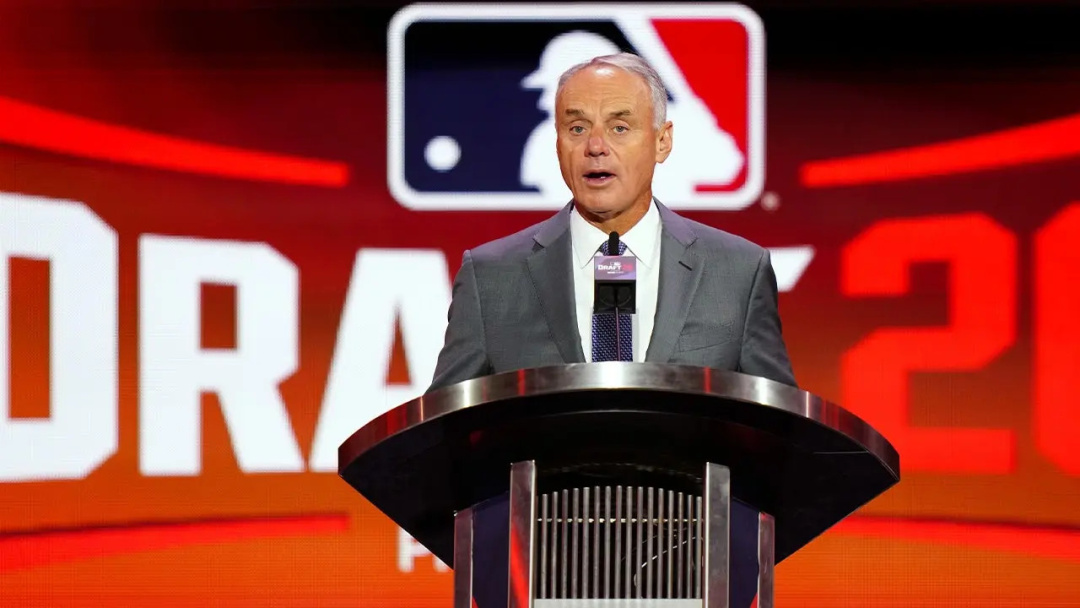
In just over a week, Major League Baseball (MLB) owners are poised to lock players out of team facilities, pulling merchandise from stores and treating the players like they don't exist. This tactic, while not required, has become a common strategy for owners hoping to pressure players into accepting new terms. The impending lockout is expected to focus on the owners' desire to overhaul the economic structure of baseball.
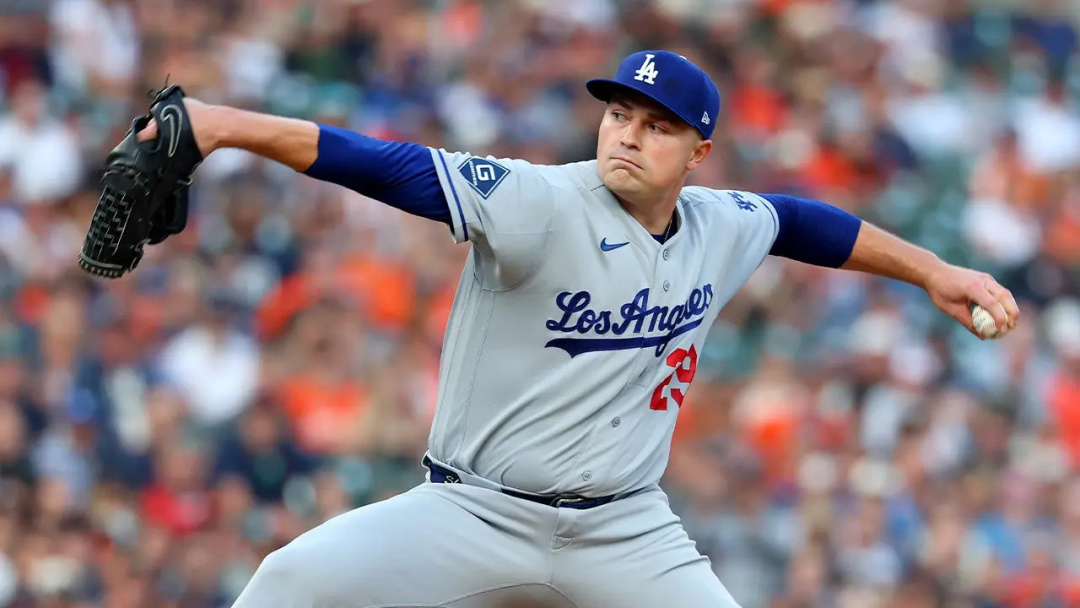
Unlike the NFL and NBA, MLB operates without a salary cap, allowing players to earn whatever the market dictates. Each ownership group sets its own budget, determining how much they are willing to spend. Some owners, like those of the Los Angeles Dodgers, are willing to pay hefty luxury tax penalties to secure top talent. Others, like the Pittsburgh Pirates, treat free agency as a rare opportunity, making minimal investments to keep fans engaged.
This free-market approach has consequences, notably limiting franchise valuations. Potential buyers in leagues with salary caps, such as the NBA and NFL, can justify higher purchase prices due to predictable spending limits. In contrast, MLB teams face uncertainty, as fan interest in winning can necessitate greater spending, which can eat into profits.
The owners argue that competitive balance is unattainable without a salary cap, claiming teams like the Dodgers are ruining the game by outspending others. However, numerous analyses have shown that payroll has little impact on winning. For instance, despite their significant investments, the Dodgers have a poor postseason record, and teams like the San Diego Padres have struggled despite high expenditures.
The players' association recently called the owners' bluff by proposing a revenue-sharing model. They agreed to share all MLB media revenues equally across the 30 clubs, countering the owners' claims that revenue disparities are the root cause of competitive imbalance. The players also reiterated their proposal to transfer hundreds of millions from high-revenue teams to low-revenue teams, with the aim of providing over $1 billion in assistance over the next collective bargaining agreement.
Owners' Revenue Strategy Under Scrutiny
The owners' insistence on a salary cap appears to be more about increasing their share of revenue than ensuring competitive balance. The league's proposal would exclude significant revenue streams, like those from commercial developments associated with stadiums, effectively lowering the supposed salary floor. Furthermore, the players' proposal to redistribute media revenues could eliminate local blackouts, addressing another issue that owners have used as leverage.
If the owners were genuinely concerned about competitive balance, they would embrace the players' revenue-sharing proposal as a step toward a fair agreement. However, the history of the league suggests that the focus remains on profit maximization rather than fostering a competitive environment. Ultimately, the real issue may not be the salary cap itself, but the willingness of owners to invest in their teams and the sport as a whole.
The Players' Proposal Shakes Up Negotiations
The players' commitment to equitable revenue sharing represents a significant shift in the negotiation landscape. By addressing the owners' concerns head-on, they have positioned themselves as serious contenders in the bargaining process. This proposal not only challenges the narrative that competitive balance is solely dependent on salary caps but also underscores the players' commitment to improving the overall product on the field.
As negotiations continue, it remains to be seen how the owners will respond. Will they accept the players' proposal, or will they continue to push for a salary cap that primarily benefits their bottom line? The outcome of these discussions could have lasting implications for the future of Major League Baseball and its players. The focus should shift from merely protecting profits to fostering a competitive and engaging environment for fans and players alike.