Nike's New Strategy: Putting Athletes Back in Focus
Nike is undergoing a significant shift in its marketing strategy, as CEO Elliott Hill unveiled the "Full Stride Ahead" plan at the company's first Investor Day in nine years. This turnaround aims to refocus the brand on athletic excellence rather than political activism, which has contributed to a decline in market value. Hill emphasizes a return to athlete-centered marketing, suggesting a potential revitalization for the iconic sports brand.
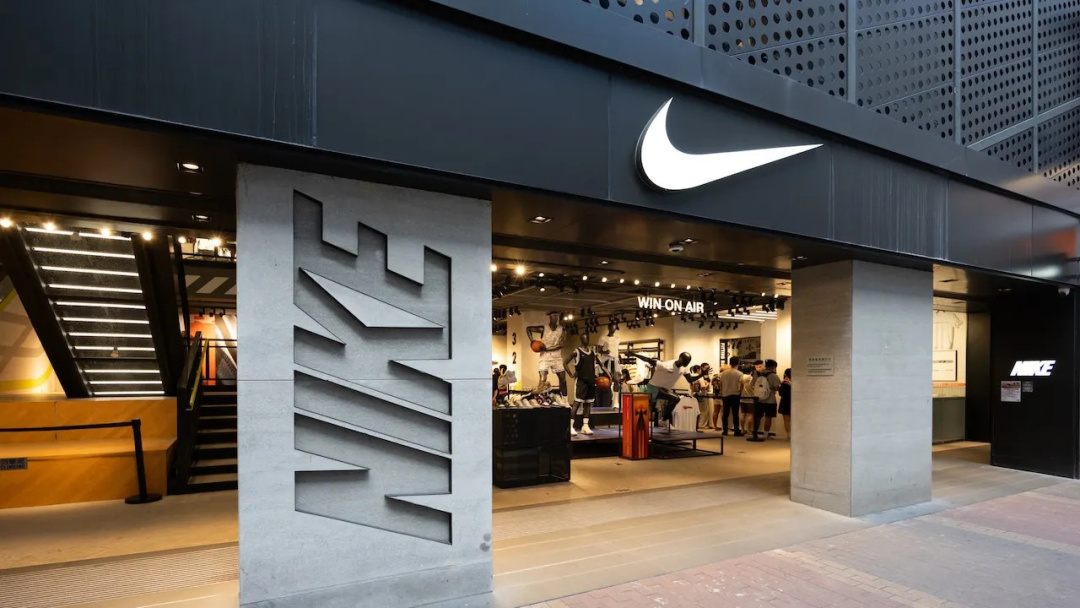
Nike is making headlines with a bold new strategy that signals a potential end to its politically charged marketing campaigns. At its first Investor Day in nine years, CEO Elliott Hill introduced the "Full Stride Ahead" plan, aiming to steer the company back to its roots of focusing on athletes and sports rather than activism. This comes as the brand faces significant challenges, including a dramatic drop in stock value, which hit a 12-year low last month.
The athletic apparel giant has faced criticism for its progressive marketing, with some analysts pointing to controversial advertisements featuring figures like Colin Kaepernick and Dylan Mulvaney as key factors in alienating a portion of its customer base. Hill's plan emphasizes a return to what made Nike a household name: its commitment to athletic excellence. "Nike is at its best when we start with the athlete and bring the full power of the company together around sport," Hill stated, highlighting the need to prioritize athleticism over political statements.
This shift in focus is not just a reaction to market pressures; it reflects a broader trend in consumer sentiment. As Nike's stock continues to struggle, the company is recognizing that its identity as a sports brand must take precedence over its role in cultural debates. Hill's memo from October noted that the company has been putting sport at the center of everything it does, a statement that resonates with long-time fans of the brand.
Nike's Focus on Key Sports for Future Marketing
At the Investor Day event, Hill outlined five priority sports—running, training, soccer, basketball, and outdoor activities—indicating a clear direction for future marketing efforts. The emphasis on athlete-centered storytelling is particularly noteworthy; Nike has a storied history of creating compelling narratives that resonate with sports enthusiasts across the political spectrum. This approach could help the brand regain its footing in a competitive market.
Can Nike Reconnect with Its Core Audience?
The recent unveiling of Caitlin Clark's signature shoe, the Caitlin 1, marked the largest women's signature shoe launch in Nike's history, showcasing the potential for success when the brand celebrates athletic achievement rather than engaging in cultural conflicts. While some may argue that Nike should maintain a level of cultural relevance, the distinction between shaping culture and waging a culture war is crucial for the brand's future.
As Nike charts this new course, it remains to be seen how effectively it can reconnect with its core audience. The brand's legacy is built on inspiring athletes and fans alike, and a return to that ethos could be exactly what it needs to thrive once more. For now, optimism surrounds Nike's plans, and many are hopeful that the iconic brand will reclaim its status as a leader in sports apparel without the distractions of political controversy.