Kalshi CEO Defends Prediction Markets Against Gambling Claims
Tarek Mansour, co-founder and CEO of Kalshi, argues that prediction markets are distinct from traditional gambling platforms like sportsbooks. As Kalshi faces regulatory scrutiny, Mansour highlights the potential of prediction markets to provide valuable information and improve decision-making in various sectors. He asserts that these markets empower ordinary individuals to outperform Wall Street by aggregating decentralized knowledge.
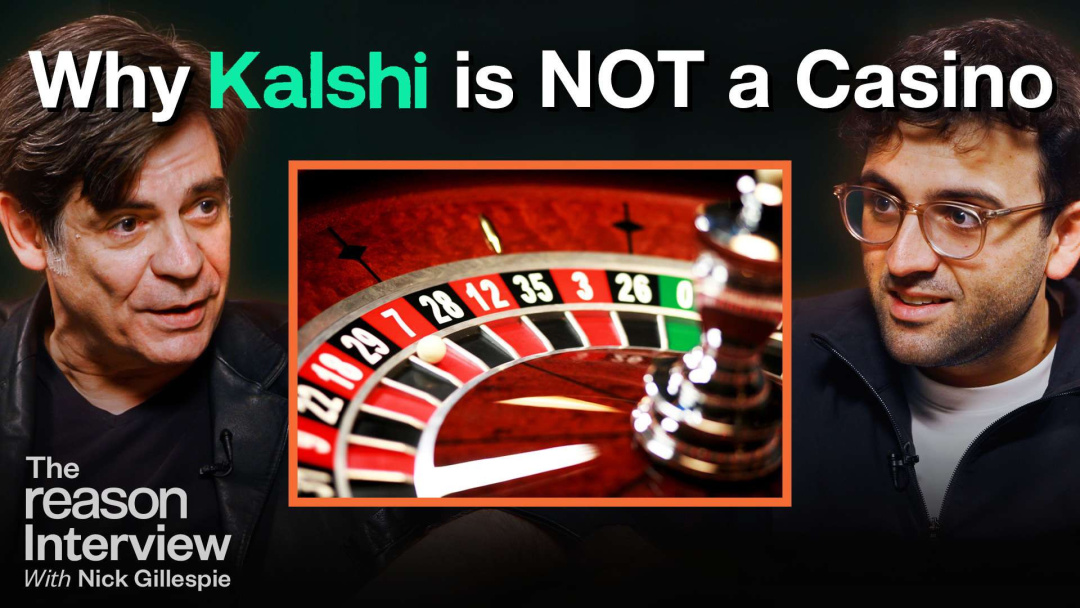
Tarek Mansour, the 30-year-old billionaire co-founder and CEO of Kalshi, is at the forefront of a burgeoning prediction market platform that allows users to trade on outcomes ranging from elections to sporting events. As prediction markets gain traction, Kalshi finds itself embroiled in legal disputes with states claiming it operates an illegal gambling business. Mansour argues that prediction markets are fundamentally different from casinos and sportsbooks, emphasizing their role as a new source of information about future events.
In a conversation with Nick Gillespie, Mansour elaborates on Kalshi's ongoing battles with state regulators. He believes that the established gambling industry is attempting to stifle competition from prediction markets, which he views as a means for businesses to manage risk more effectively. Mansour points out that ordinary individuals can sometimes forecast economic trends with greater accuracy than Wall Street professionals, thanks to the collective wisdom harnessed through these markets.
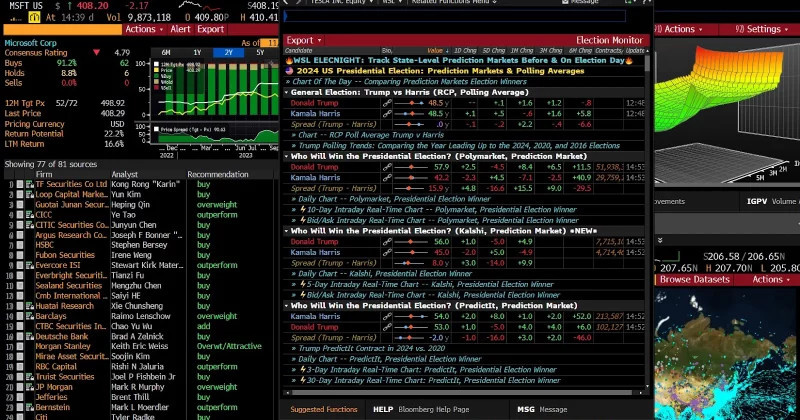
Mansour explains that prediction markets function similarly to the stock market, matching buyers and sellers in an open marketplace. Unlike sportsbooks, which set odds and operate on a house edge, Kalshi facilitates trades based on participants' opinions about future events. For instance, if traders believe that a certain event has a 40% chance of occurring, they can buy or sell shares accordingly, with Kalshi taking a small fee for facilitating these transactions.
The CEO draws parallels between the historical skepticism surrounding financial markets and the current perception of prediction markets. Just as early financial markets faced accusations of gambling, Mansour argues that prediction markets serve a public good by providing information that helps society make better decisions. He cites the example of weather forecasting, where traders can influence predictions based on their insights, leading to more accurate forecasts than traditional methods.
Harnessing Collective Intelligence for Better Decisions
Mansour believes that the aggregation of decentralized knowledge through prediction markets can enhance decision-making across various sectors. He references the work of Philip Tetlock, who studied the accuracy of forecasts made by ordinary individuals compared to elite pundits, revealing that the average person's predictions can often outperform those of experts. This phenomenon underscores the value of collective intelligence in shaping market outcomes.
As Kalshi navigates the regulatory landscape, Mansour emphasizes the importance of allowing prediction markets to flourish without undue restrictions. He argues that more markets on diverse topics can lead to better information dissemination and resource allocation. However, he acknowledges the challenges posed by state regulations and the need for a clear legal framework to support the growth of prediction markets.
Navigating the Regulatory Landscape
Mansour's vision for Kalshi extends beyond mere profitability; he envisions a future where prediction markets democratize information and empower individuals. He believes that capitalism should offer more Americans a stake in its success while maintaining the innovation that drives progress. As Kalshi continues to grow in popularity, the outcome of its legal battles will have significant implications for the future of prediction markets in the United States.
In conclusion, Mansour's insights into the potential of prediction markets highlight their capacity to provide valuable information while challenging the traditional gambling narrative. As Kalshi faces scrutiny from regulators, the ongoing debate about the nature of prediction markets will shape their role in the broader financial landscape. The question remains: can prediction markets coexist with existing gambling regulations, or will they face further restrictions that hinder their growth?